
Outdoor Feng Shui Plants: A Guide to Fortune, Security, Peace, and Prosperity
Step outside your home and imagine the garden, porch, or entryway not just as decoration but as an energetic map. In Feng Shui, outdoor spaces are gateways for energy, or qi, influencing how prosperity, health, and peace enter your life.
The plants you choose matter. Each carries a story and purpose, shaping the flow of fortune, protection, and calm. By placing the right species in the right direction, you invite balance before anyone even crosses your front door.
Benefits of Outdoor Feng Shui Plants
Outdoors, plants do more than soften architecture or add greenery. They act as silent protectors and symbols. A Jade Plant near the front gate whispers wealth into the home, while a Spear Plant on the west boundary stands guard.
Beyond symbolism, these plants filter air, shade entrances, and create tranquil retreats. When placed with intention, they build an outdoor space that feels both inviting and secure, where prosperity and peace naturally flow inward.
Plants for Clarity and Direction
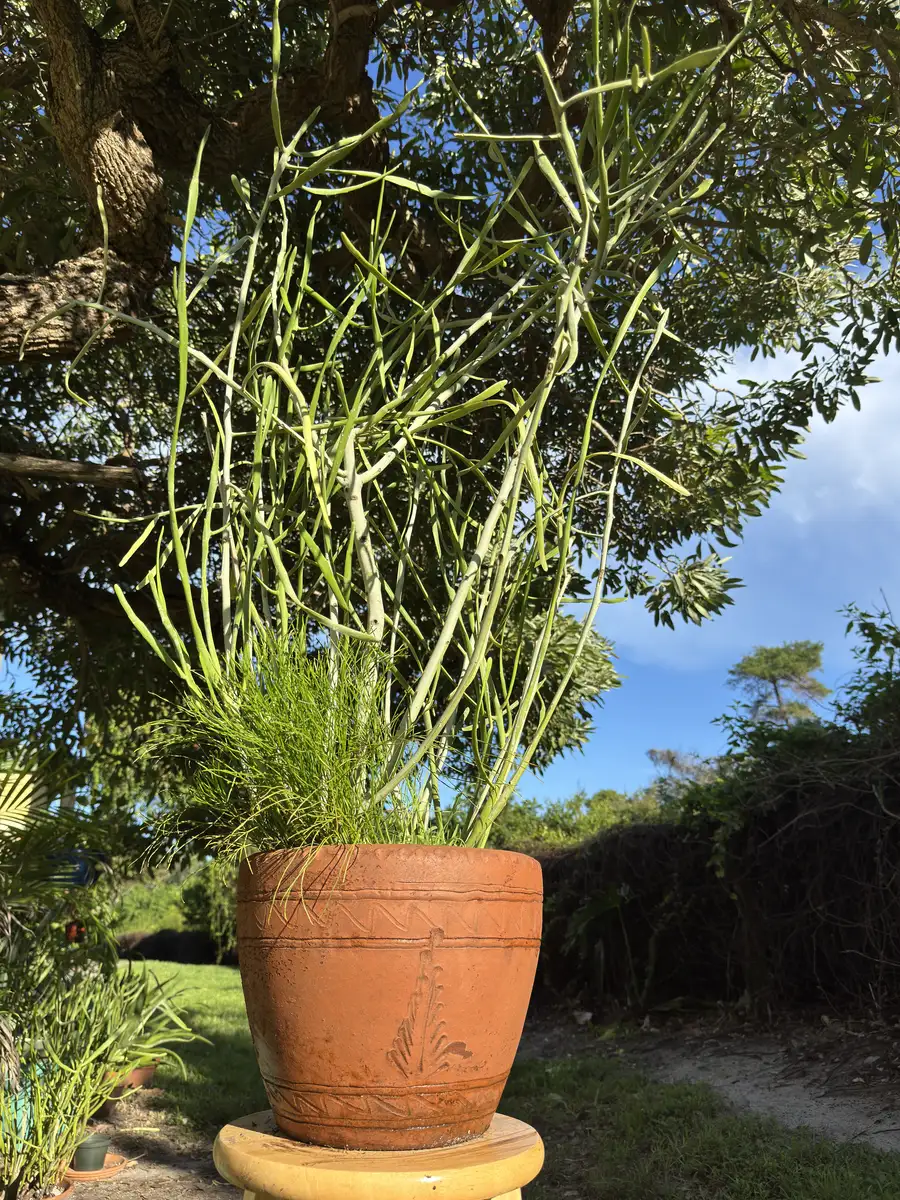
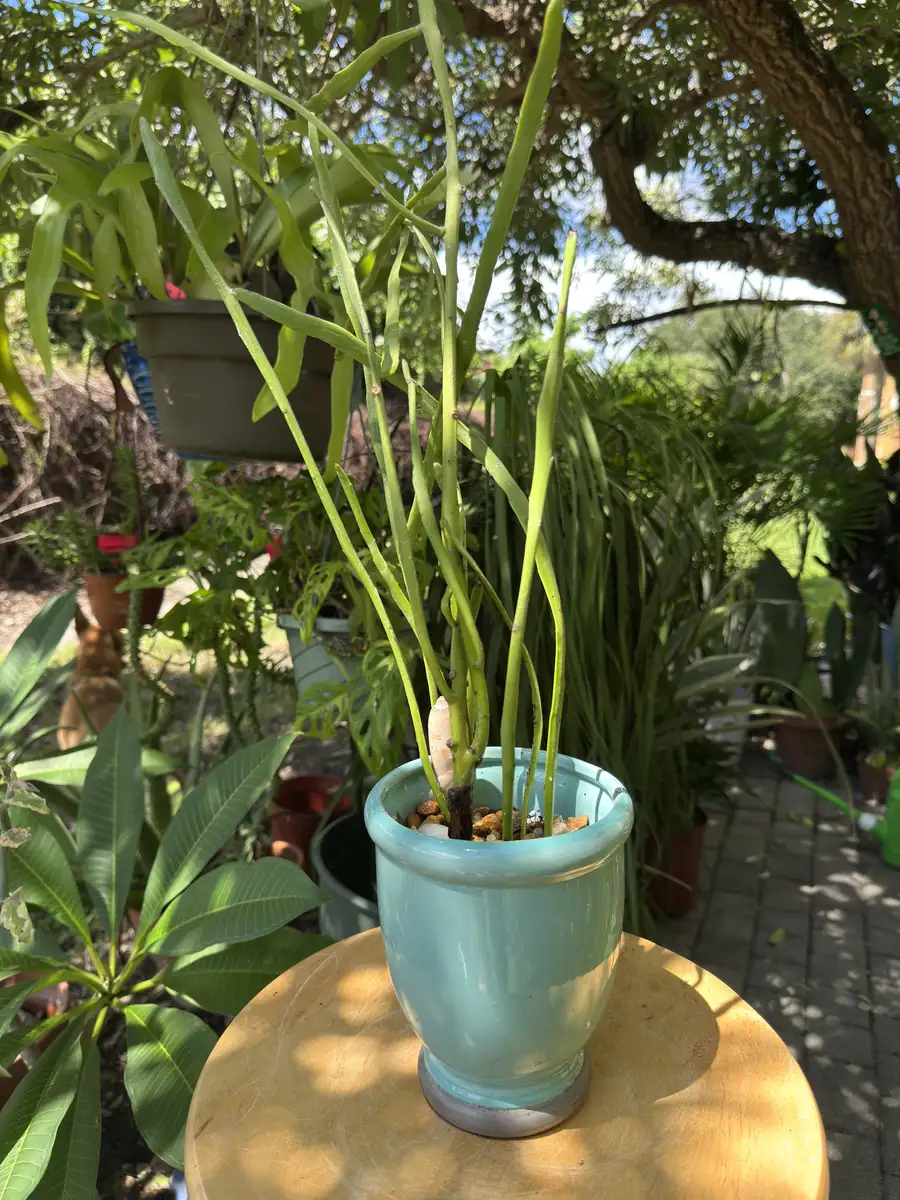
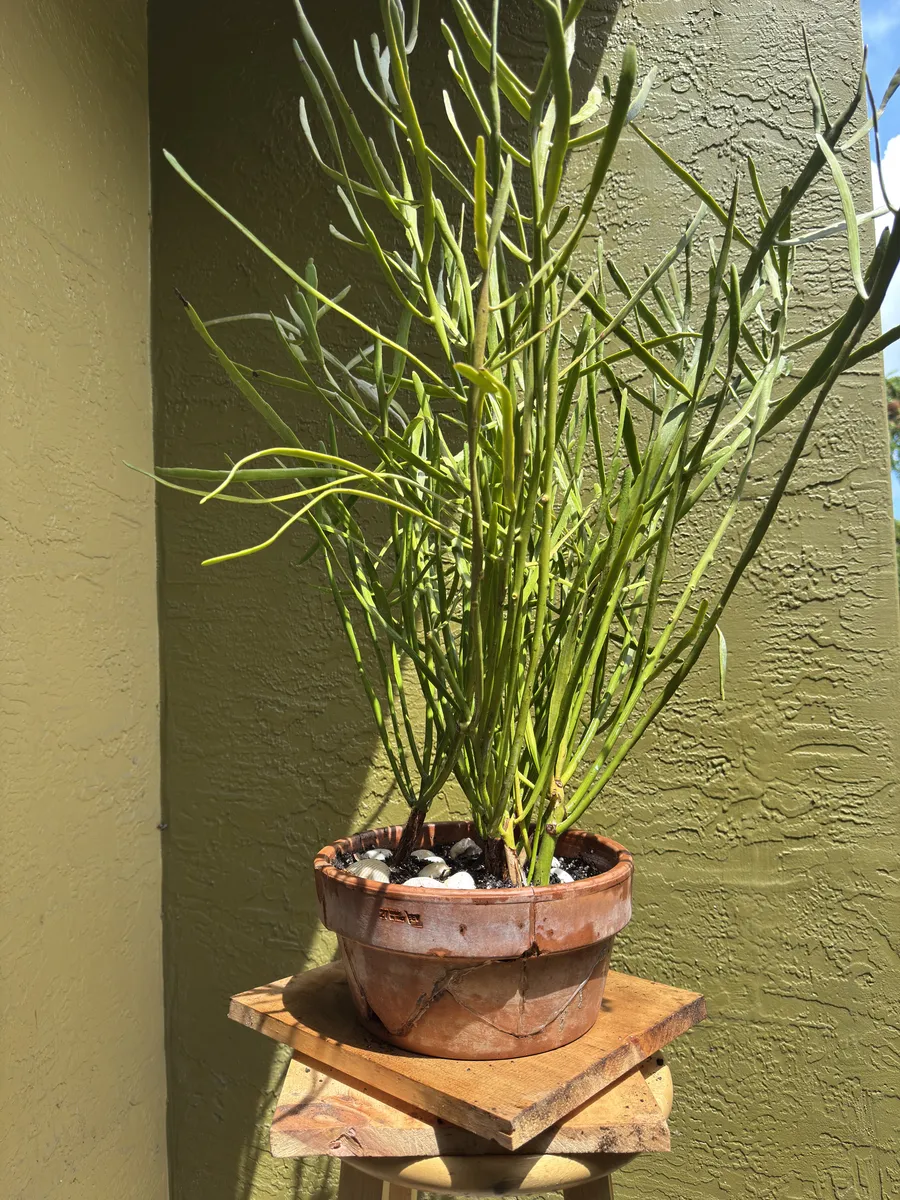
Euphorbia tirucalli (Pencil Cactus, South-West for Focus)
The Pencil Cactus stands like living light—branches rising in precise rhythm, resembling neural pathways reaching outward for connection. Its structure embodies clarity and momentum, often used to cut through stagnation and sharpen focus. In traditional symbolism, plants with upward and branching forms represent expansion of ideas and the steady navigation of life’s direction.
For alignment with Feng Shui principles, the Pencil Cactus thrives in the south-west, a region associated with purpose, decisions, and grounded creativity. Placed near outdoor workspaces, paths, or entry corners, it channels steady drive while absorbing scattered energy. Its fire element reinforces personal power and clear vision—encouraging balance between intensity and control, so ambition burns bright without consuming calm.
Plants for Security
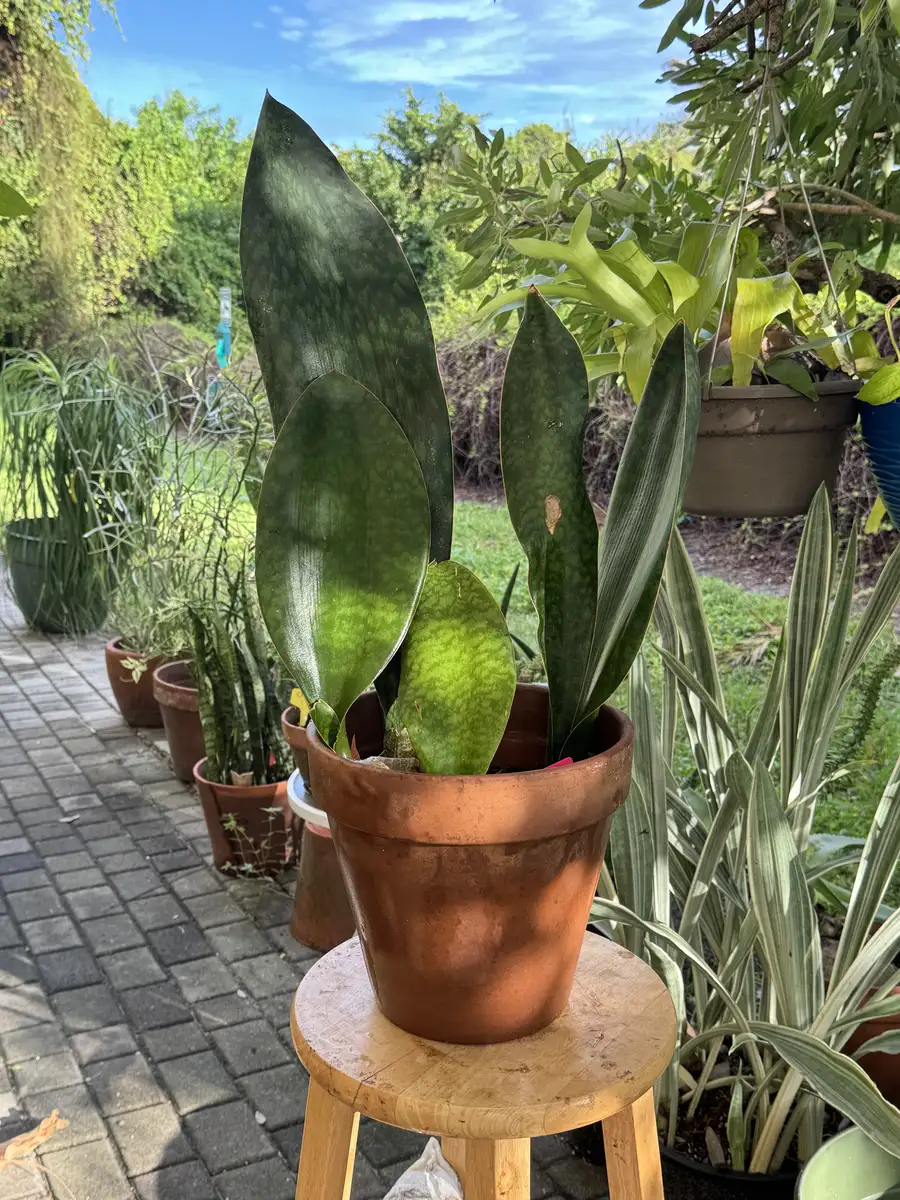
Sansevieria Masoniana (Whale Fin, North or Front Gate)
The Whale Fin snake plant commands attention with its broad, upright leaves. These bold forms resemble shields, projecting an image of strength and vigilance. In traditional belief, plants with strong vertical lines were guardians, holding back harmful influences from entering households.
For maximum protection, Whale Fin should be placed at the north side of a home, where career and life path energy enter, or directly by the front gate. Standing like sentinels, they guard the flow of qi, ensuring ambition is protected and negative forces are deflected before crossing the threshold.


Plants for Prosperity
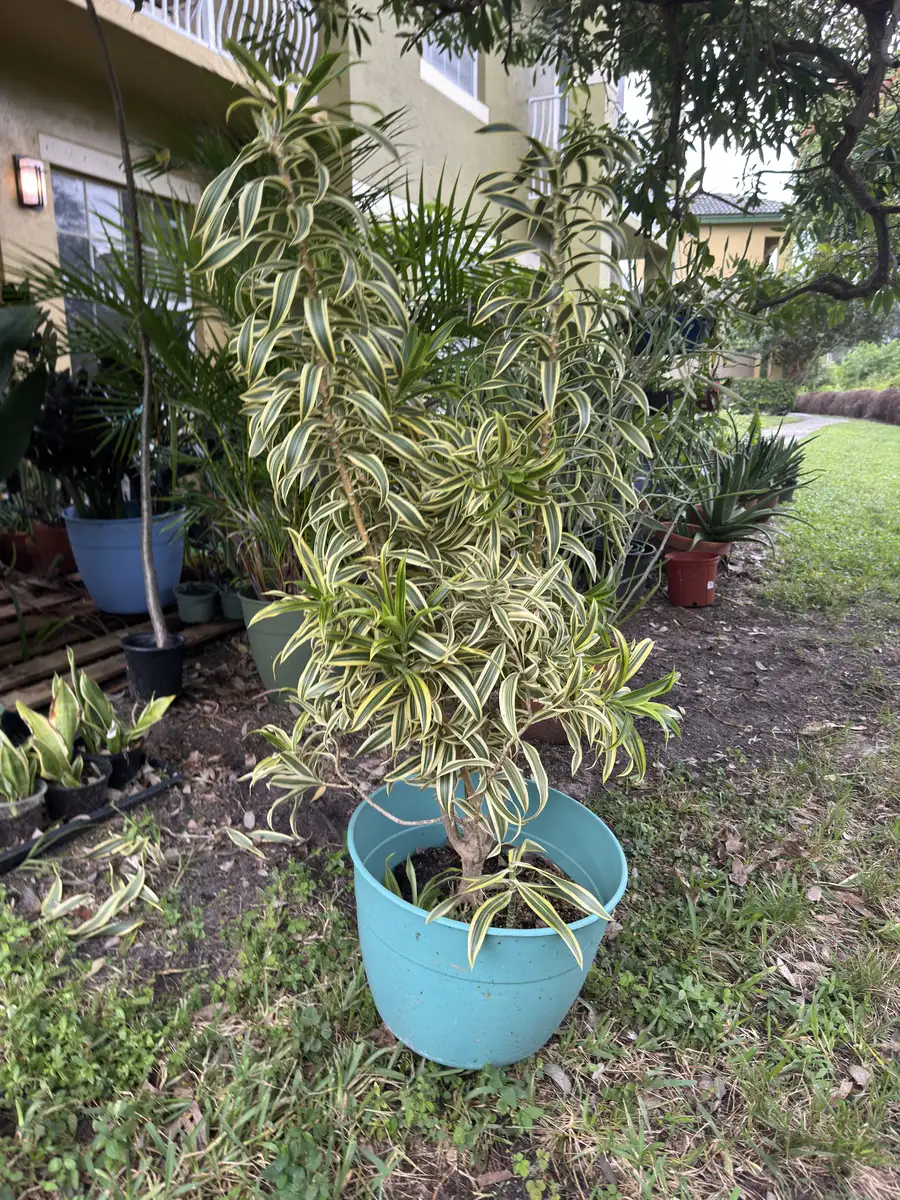
Dracaena Reflexa (Song of India, East for Renewal)
The Song of India, with its luminous striped leaves, carries uplifting energy. In Feng Shui, variegation symbolizes movement and activation, preventing stagnation and encouraging growth. Its golden accents echo light and optimism, energizing spaces with prosperity and renewal.
The best direction for Song of India is the east, tied to health, vitality, and family growth. Place it near the eastern boundary of a garden or by windows facing sunrise. Its brightness clears old energy and encourages fresh starts, making it a plant of both prosperity and optimism.
Plants for Protection and Grounding
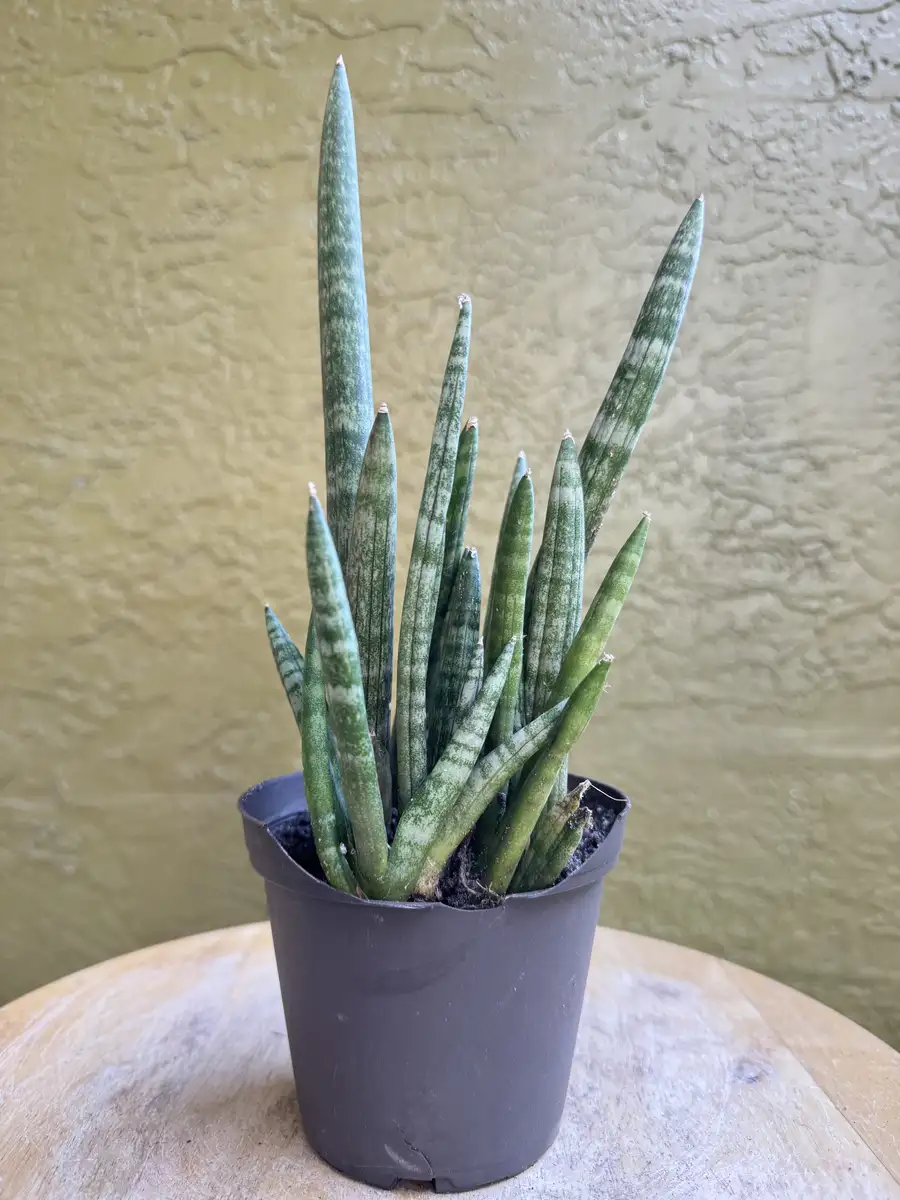
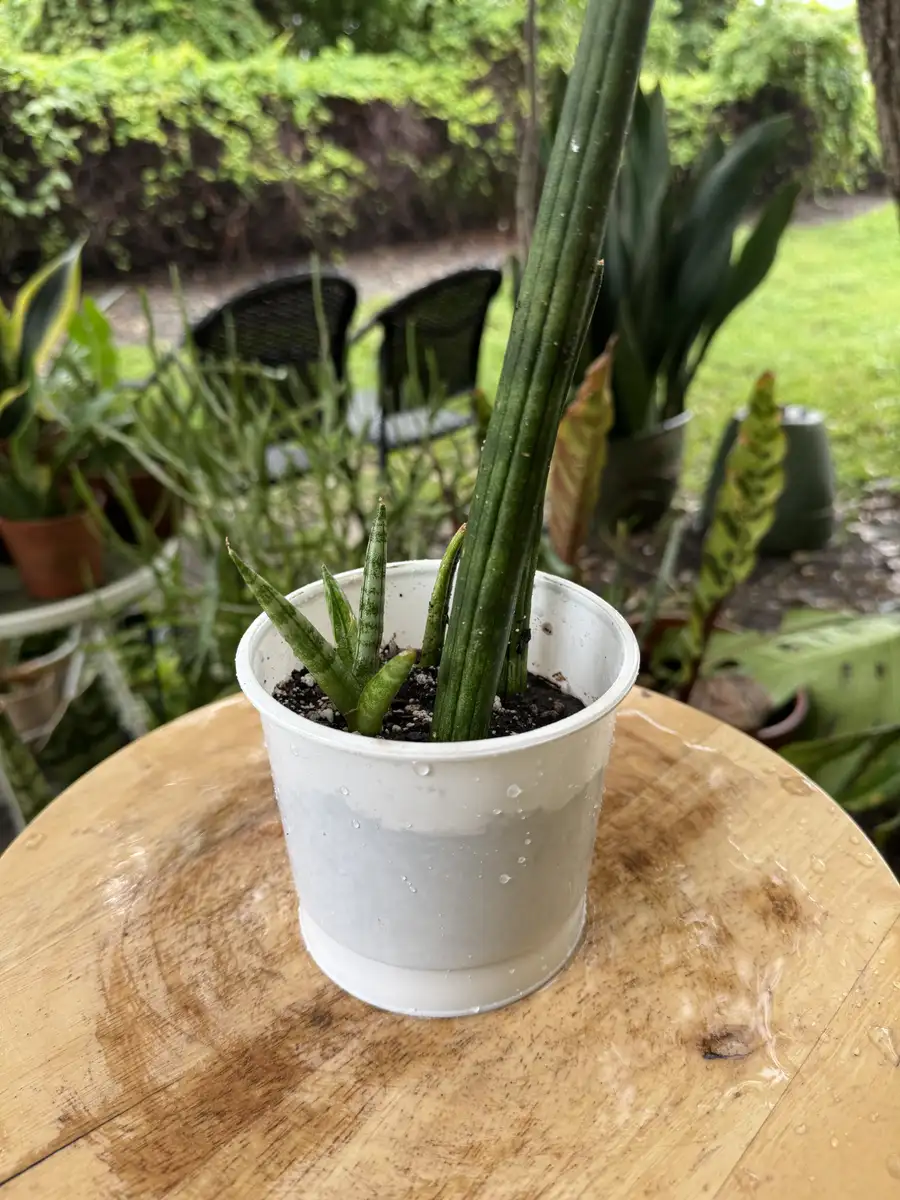
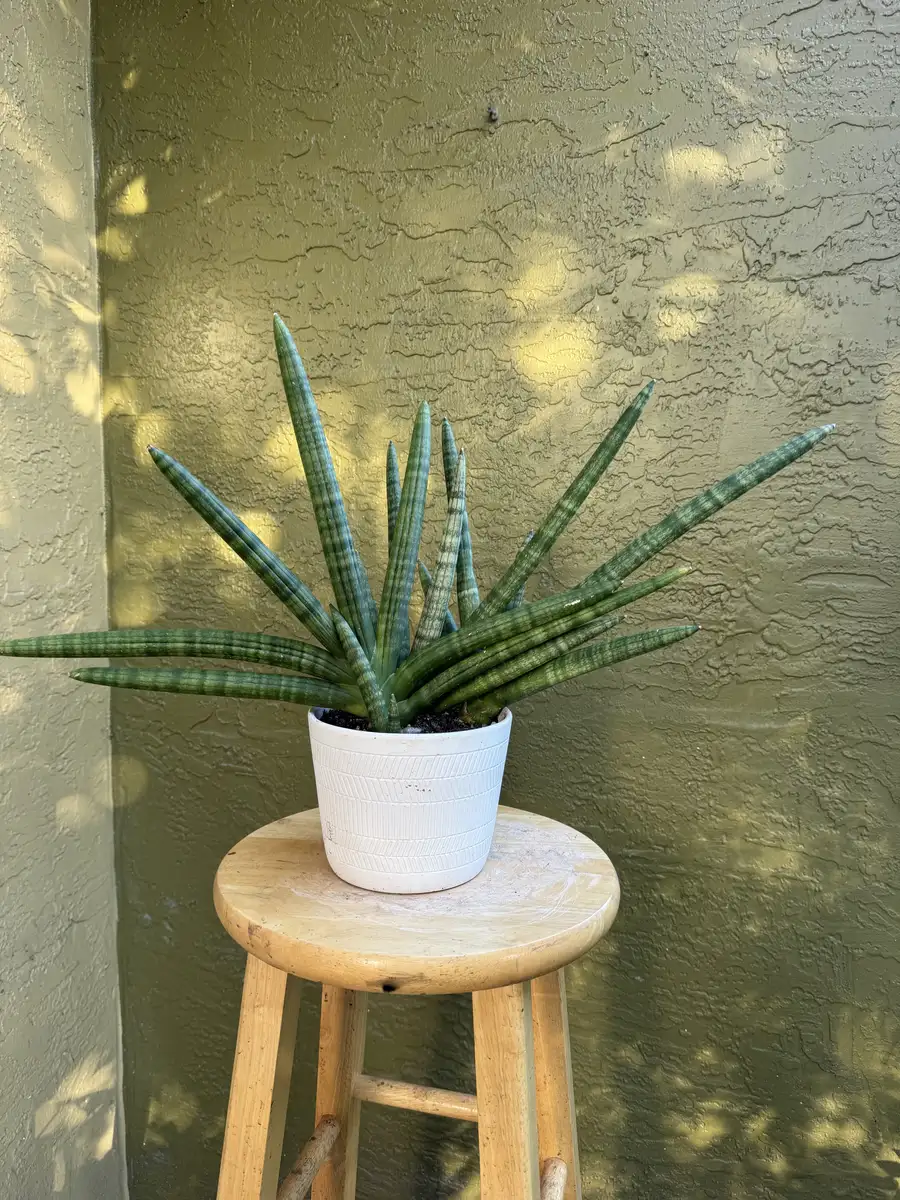
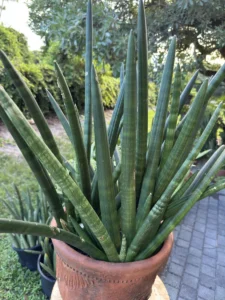
Sansevieria Cylindrica (African Spear Plant, South for Stability)
The African Spear Plant grows tall and straight, its cylindrical leaves forming living spears of resilience. Its structure mirrors discipline, strength, and balance. In traditional Feng Shui, such shapes were prized for their ability to stabilize energy and guard perimeters.
Outdoors, place Sansevieria Cylindrica in the south, the direction of recognition and fame. Here, it grounds ambition, ensuring success is earned steadily and safely. Positioned along boundaries or corners, it acts like a protective wall, keeping households rooted while filtering out disruptive influences.
Plants for Fortune
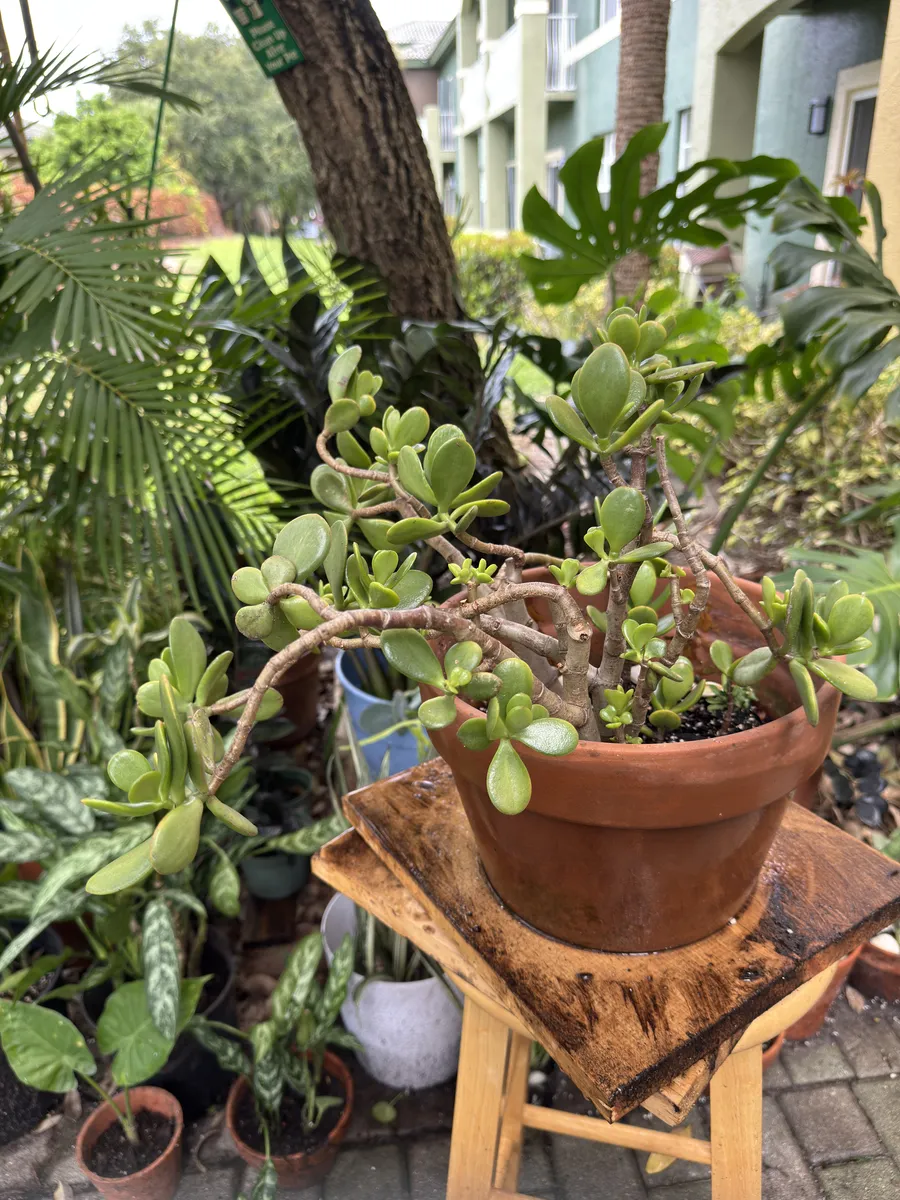
Jade Plant (South-East for Wealth)
The Jade Plant, with its rounded, coin-shaped leaves, has long symbolized wealth and enduring fortune. It thrives under the sun, mirroring prosperity that grows steadily and visibly. Families often pass Jade from one generation to another, treating it as a living heirloom of abundance.
In Feng Shui, Jade belongs in the southeast corner of outdoor spaces, the direction tied to money and financial flow. Place it near gates, patios, or entrances where it can greet energy as it arrives. Its presence encourages opportunities to stay and multiply, like coins gathering in a jar.
Plants for Peace
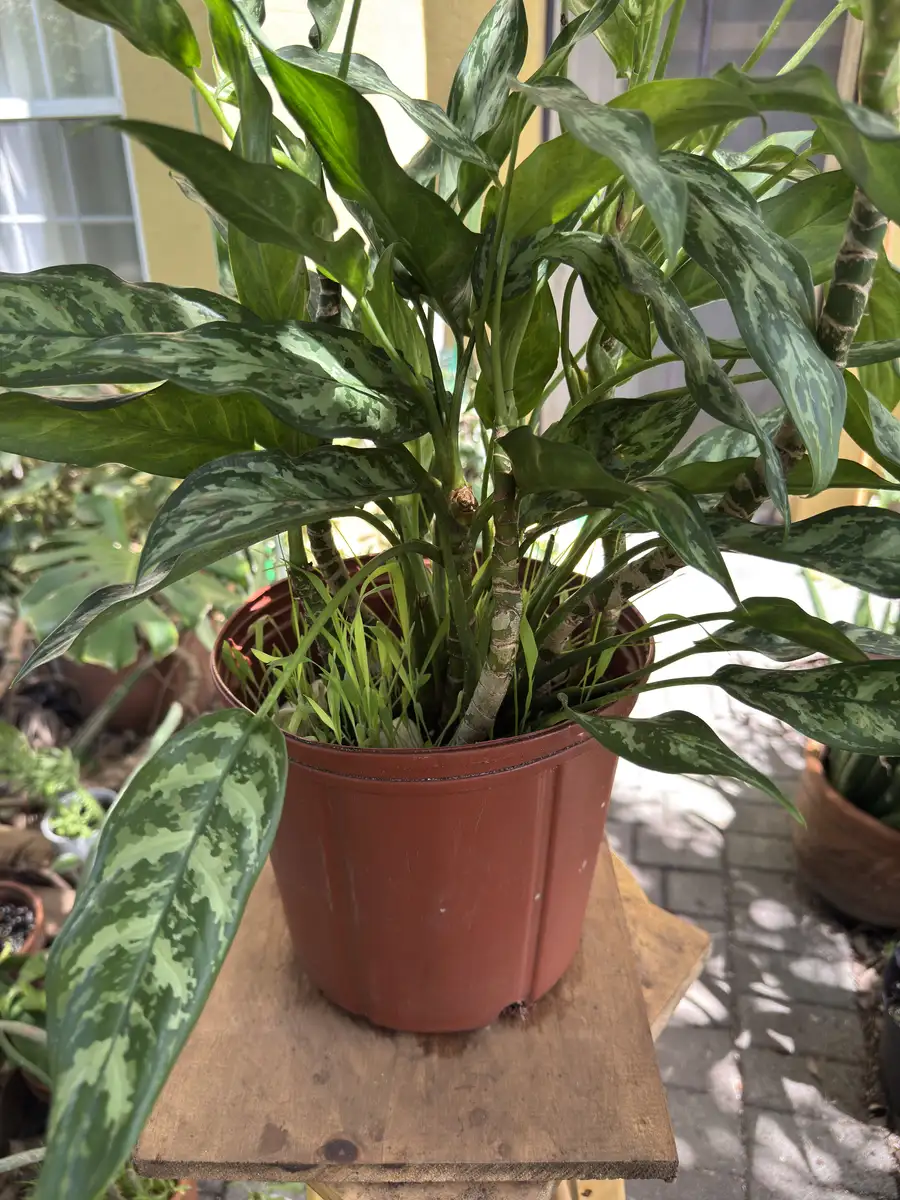
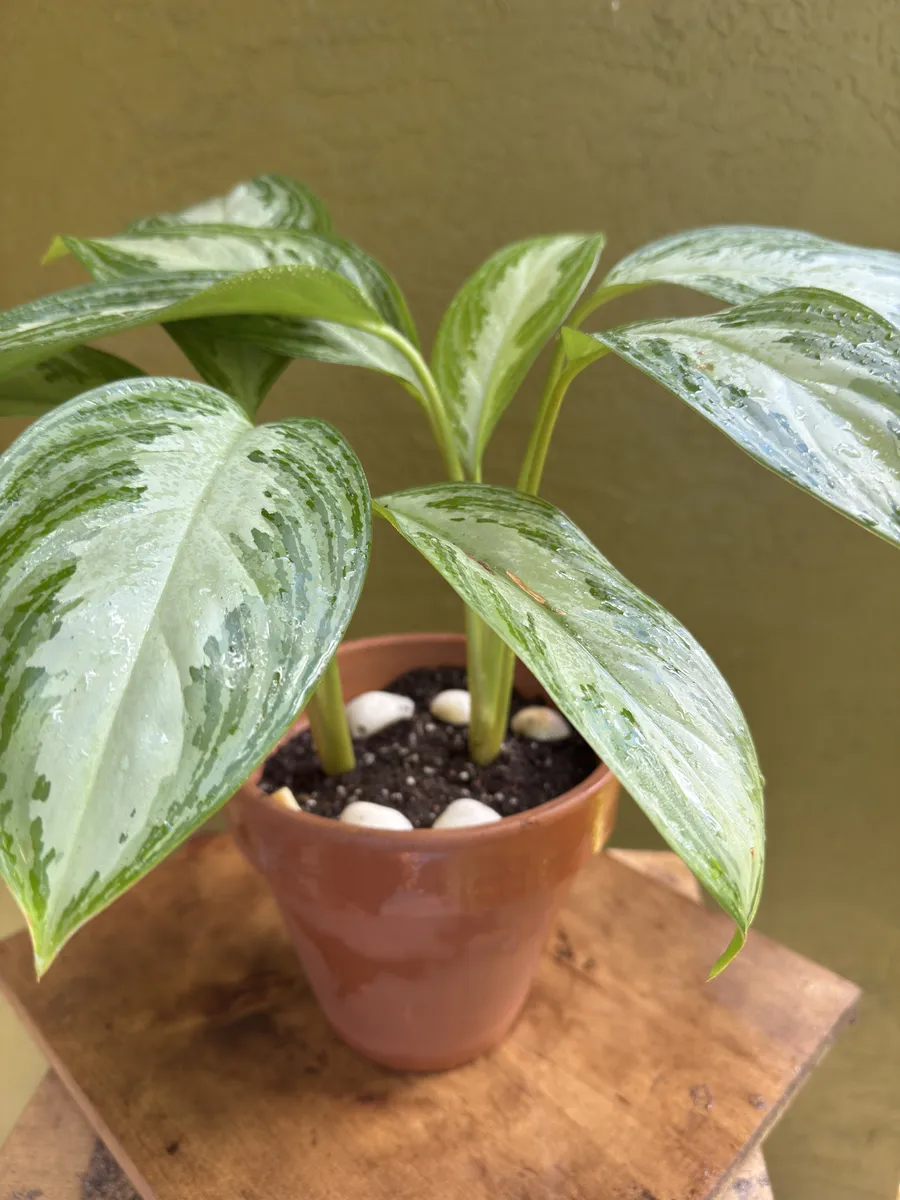
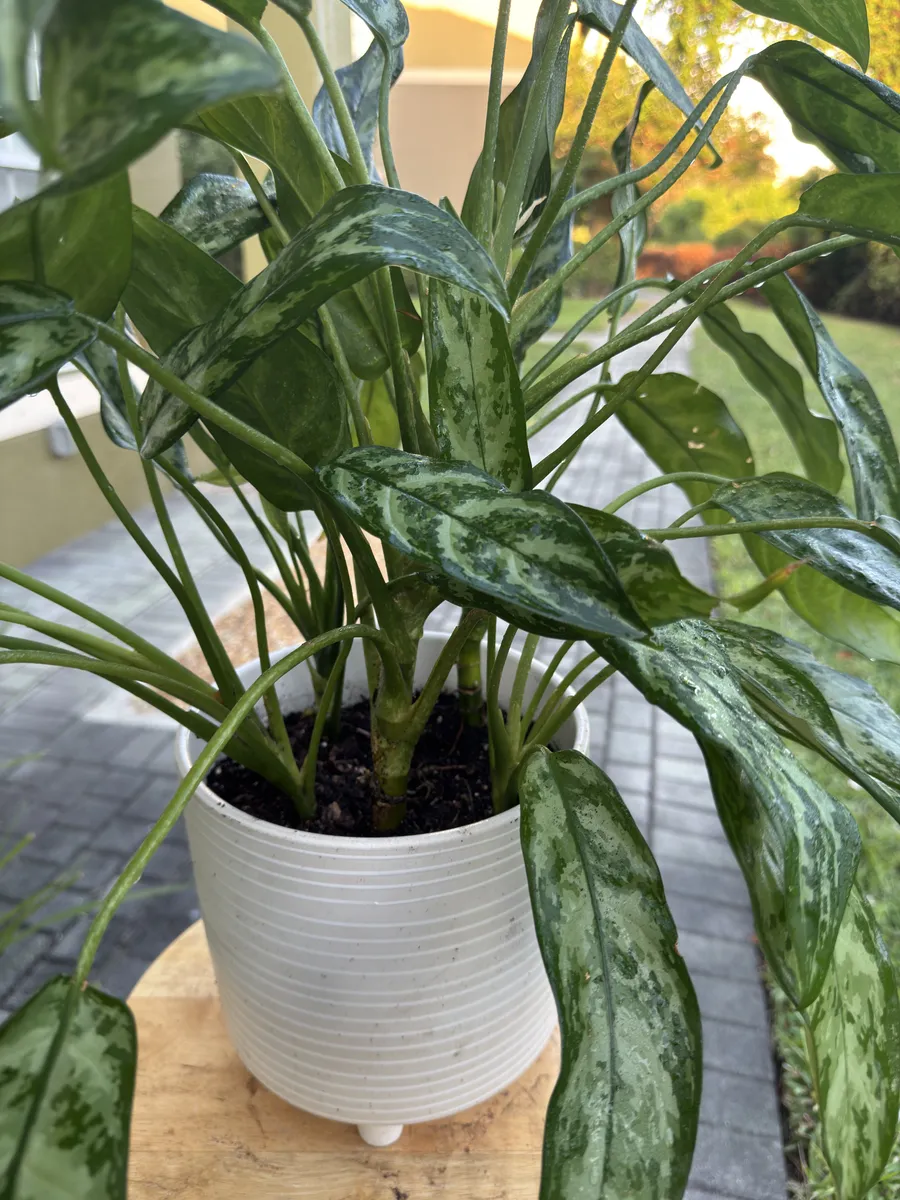
Aglaonema Commutatum (Chinese Evergreen, West for Harmony)
Chinese Evergreens soften energy. Their broad, patterned leaves create an atmosphere of calm, making them ideal companions for spaces meant for rest. In households where harmony is needed, their steady, balanced energy reduces tension and supports smoother relationships.
They belong in the west, the direction associated with creativity, children, and joy. By placing them in shaded patios, outdoor dining corners, or near seating areas, they introduce peace into daily family life. The west placement also amplifies the Evergreen’s role in supporting togetherness and nurturing harmonious connections.
The Shared Tradition of Feng Shui (風水 / 풍수지리 / ふうすい)
For thousands of years, households across East Asia used Feng Shui principles to shape how energy flowed through land and living spaces. While it originated in ancient China, the practice took root in Korea and Japan, blending with local traditions and aesthetics.
In China
Feng Shui first developed as geomancy — the art of interpreting wind (風) and water (水). Villages and gardens were designed so that mountain ranges provided protection, rivers encouraged vitality, and plants acted as living symbols. Upright, sword-like plants by gates blocked harm, while rounded foliage near courtyards symbolized abundance and well-being.
In Korea (풍수지리, Pungsu Jiri)
When Feng Shui reached Korea, it became Pungsu Jiri (風水地理), literally “wind-water land principles.” Korean dynasties used these ideas to position palaces, temples, and tombs in landscapes believed to channel auspicious energy. On a household level, Koreans planted evergreens and protective species at gates, while softer foliage balanced inner courtyards. The practice still influences how Koreans view mountains, rivers, and planting in relation to harmony and prosperity.
In Japan (風水, Fūsui)
Japan adopted Feng Shui during the Asuka and Heian periods. It influenced palace design in Kyoto and blended with Shinto and Zen aesthetics. Japanese gardens, with their careful placement of rocks, ponds, and plants, echo Feng Shui ideals. Trees were positioned to balance directions, while symbolic plants — such as pines for longevity or bamboo for resilience — embodied natural strength.
Orientation Across Traditions
Across all three cultures, orientation became central. The east symbolized health and family growth, tied to sunrise and renewal. The south embodied fame and recognition, linked to sunlight and visibility. The west encouraged creativity and joy, especially for children. The north represented career, wisdom, and stability, resonating with cool, flowing energy.
This shared heritage shows that Feng Shui is not just about placement of furniture or indoor décor. It’s a deep, regionally adapted philosophy about aligning human life with natural forces. Plants were never chosen randomly — they carried cultural meaning, spiritual weight, and practical function across Chinese, Korean, and Japanese households.
Conclusion
Every plant tells a story, and when arranged with Feng Shui principles, these stories shape the energy of your home. The Jade Plant draws fortune when placed southeast, Whale Fin Snake Plants guard households from the north or at gates, Chinese Evergreens soften energy in the west, Song of India uplifts prosperity in the east, and Cylindrical Snake Plants anchor protection in the south.
Together, they transform outdoor spaces into balanced environments. They are not just plants in soil; they are guardians, providers, and companions, helping households flourish with wealth, peace, security, and harmony.


 Sansefuria