
Monstera Care Indoors: Lessons Learned From Growing This Iconic Plant
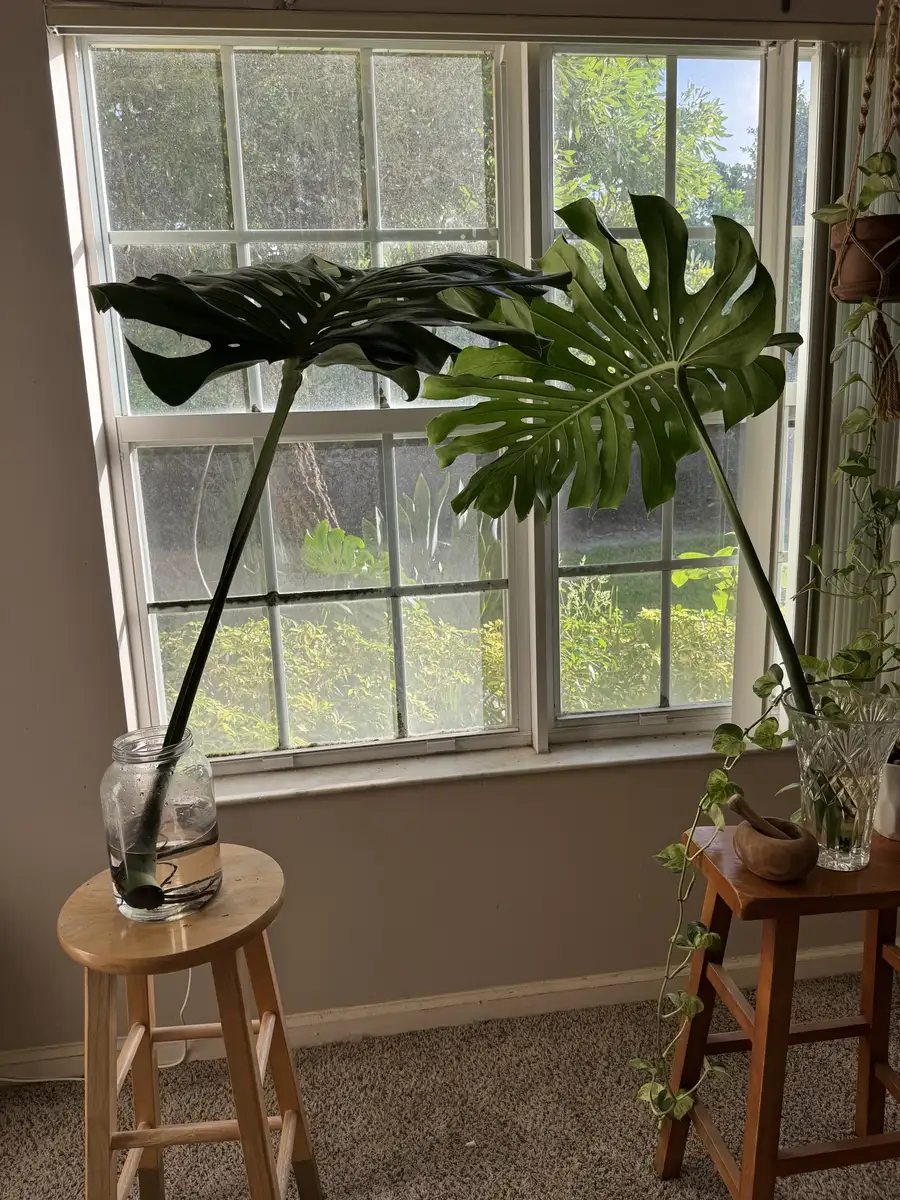
When I first brought a Monstera home, I expected those dramatic split leaves I had seen in magazines. Instead, months went by with plain, heart-shaped leaves and long, stretched stems. It was a good-looking plant, but not the showstopper I’d hoped for. I realized later that Monsteras don’t just hand out fenestrations as a gift—you have to create the right conditions for them to appear.
Over the years, I’ve learned what this plant really wants. And like most living things, it comes down to light, space to breathe, and patience.
Light: The Secret Behind Fenestrations
The first big lesson came from noticing the gaps between my Monstera’s leaves. The stems were stretched out, sometimes wider than my hand, which told me the plant was reaching for light it didn’t have. When I moved it closer to the window, the difference was night and day. The new growth came faster, with shorter gaps and eventually, those prized slits in the leaves.
I used to believe Monsteras needed only soft, indirect light. But mine grew stronger once I introduced a bit of direct sun each day. The trick was gradual change. If I had placed it suddenly in harsh sunlight, the leaves would’ve burned. Instead, I inched it closer to the window over weeks, letting it adapt. That patience paid off.
Aerial Roots: From Eyesore to Anchor
Like many plant parents, I wasn’t sure what to do with the aerial roots. They seemed wild and messy, growing in every direction. At first, I cut them back, thinking they weren’t important. Later, I realized they were part of the plant’s design—little anchors searching for stability.
Once I began guiding those roots into the soil, the whole plant grew sturdier. No more wobbling every time someone brushed past it. The Monstera seemed happier, more grounded, and less stressed.
The Pot Doesn’t Have to Be Big
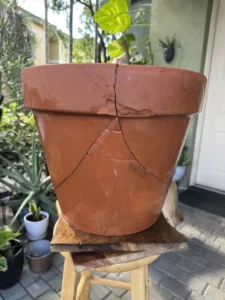
Another mistake I made was rushing to repot the moment I saw roots at the bottom. Monsteras, I learned, actually like being snug. A tight pot keeps the soil from staying too wet and reduces the chance of root rot.
Now I only repot when the plant is clearly struggling, and when I do, I keep the soil simple: five parts compost for nutrients and water, two parts perlite for air. That balance of moisture and oxygen is what keeps the roots healthy.
Watering With Oxygen in Mind
It took me a while to realize that overwatering isn’t just about “too much water.” The real issue is a lack of oxygen. Roots need to breathe. If the soil is heavy and wet, they suffocate.
I started checking the top few inches of soil before watering, making sure they were dry. That small habit kept my Monstera thriving without the dreaded yellowing leaves or mushy roots.
Growing Older Gracefully
One of the hardest lessons was about pruning. With pothos or tradescantia, a quick cut makes them bushier. I tried that with my Monstera, hoping for the same effect. Instead, the new leaves came in smaller and plain, almost juvenile again.
Monsteras reveal their beauty with age. The longer you let them grow, the more dramatic the leaves become. Now, I prune only when I absolutely have to—for pests, damage, or space. Otherwise, I let time do its work.
Not All Monsteras Are the Same
There’s also a secret no one told me at the start: not every Monstera can grow into the giant, split-leaf beauty you see online. Many of the ones sold in big-box stores are actually Monstera borsigiana. Lovely plants, but their leaves top out smaller and with fewer fenestrations. The true Monstera deliciosa can grow leaves up to a meter across with dozens of cuts and holes—but it’s rarer and more expensive.
Understanding which one you have keeps expectations realistic. Both are beautiful, just in different ways.
Final Reflection
Caring for a Monstera indoors has taught me more than just plant care—it’s a lesson in patience and observation. Watch the light. Notice how the stems stretch. Guide the roots instead of cutting them. Trust that age brings beauty.
When you give a Monstera what it truly needs—light, oxygen, and time—it rewards you with the kind of leaves that stop you in your tracks. For me, those first fenestrated leaves weren’t just a plant milestone—they were proof that small, steady changes can create something extraordinary.

 Sansefuria