
How to Care for Pothos Indoors: A Practical and Simple Guide
- How to Care for Pothos Indoors: A Practical and Simple Guide
- A Bit of Background
- Why People Choose Pothos
- Light: What Pothos Actually Need
- Water: Finding Balance
- Soil: Keeping It Simple
- Placement and Humidity
- Fertilizing and Routine Care
- Common Varieties of Pothos
- Troubleshooting: When Something Looks Wrong
- Creative Ways to Display Pothos
- Why Pothos Fit Modern Life
- Fertilizer That Makes a Difference
The first plant I brought indoors was a pothos. I didn’t choose it because it was trendy or rare, but because someone told me it was nearly impossible to kill. I figured that gave me a chance. What I didn’t expect was how quickly it became part of my everyday life. Over time, I noticed the leaves stretching toward light, trailing gently down a shelf, and giving me quiet reminders that small, steady care leads to growth.
Pothos plants (Epipremnum aureum) are often described as “easy,” and that’s true. But easy doesn’t mean thoughtless. They respond to how you treat them—too much water, too little light, or neglect will show up in their leaves. This article isn’t about promises of instant success. Instead, it’s a grounded guide that mixes practical plant care with small observations from experience. If you’re curious about how to keep a pothos thriving indoors, this is for you.
A Bit of Background
Pothos are native to the Solomon Islands in the South Pacific. In their natural environment, they climb trees and spread long vines. Indoors, they take on a smaller scale but keep that same spirit of reaching out and filling space.
Their scientific name, Epipremnum aureum, refers to both their genus and the golden variegation found in some leaves. Over the years, pothos have picked up a handful of common names—devil’s ivy (because it’s hard to kill), money plant, or simply golden pothos. Whatever you call them, they’ve become one of the most widely kept houseplants because of their adaptability.
Why People Choose Pothos
The popularity of pothos doesn’t come from being flashy or rare. People choose them because they’re dependable, forgiving, and versatile. If you’re someone who travels often, misses a watering, or doesn’t have perfect natural light, a pothos will still manage. At the same time, they reward consistent care with fuller vines and fresh leaves.
They also fit into almost any space. On a shelf, in a hanging basket, or trailing from a tall dresser, they soften edges and bring a touch of green without demanding too much back.

Light: What Pothos Actually Need
Pothos are flexible when it comes to light, which is part of their appeal. They’ll tolerate low-light conditions, but growth slows and leaves may lose variegation. On the other end, direct sun through a window can burn the leaves.
The middle ground—bright, indirect light—is ideal. Near an east-facing window or a few feet back from a south window works well. If your pothos looks pale, leggy, or stretches too much toward light, try moving it closer. If the leaves develop crispy spots, move it back.
Water: Finding Balance
One of the most common questions is: how often should I water my pothos? The simplest answer is when the top inch of soil feels dry. For many people, that works out to once every 7–10 days, but it varies depending on pot size, soil, and environment.
The danger is overwatering. Pothos roots don’t like sitting in waterlogged soil. If you notice yellowing leaves that drop easily, it may be a sign you’re watering too often. On the other hand, if the leaves start to wilt or curl, it’s time to give the plant a drink.
I’ve learned that pothos can recover quickly from being a little too dry, but too much water over time does real damage. When in doubt, wait a day.
Soil: Keeping It Simple
Pothos aren’t fussy about soil, but they do best in a well-draining mix. A standard indoor potting soil with a little added perlite or bark works well. The key is avoiding soil that compacts heavily and stays wet.
Always use a pot with drainage holes. It’s the simplest way to prevent water from pooling at the bottom, which can lead to root rot.
Placement and Humidity
You’ll often see pothos spilling gracefully from hanging planters or climbing a moss pole. Both options work indoors. They don’t require high humidity, which makes them forgiving in homes with average conditions. If you live in a particularly dry climate or run indoor heating often, occasional misting or a nearby tray of water can help.
I’ve placed pothos in bathrooms, offices, kitchens, and living rooms. They seem comfortable in almost any setting as long as they’re not in a draft or pressed against a hot radiator.
Fertilizing and Routine Care
During the spring and summer months, pothos appreciate a little extra food. A balanced liquid fertilizer once a month is enough. In fall and winter, growth slows naturally, so you can skip feeding.
Routine care also includes pruning. Cutting back long vines encourages fuller growth, and trimmed cuttings can easily be propagated in water. It’s a simple way to start new plants or share with friends.
Common Varieties of Pothos
There are several popular varieties you’ll find in nurseries or plant shops:
- Golden Pothos: Classic green leaves with yellow marbling.
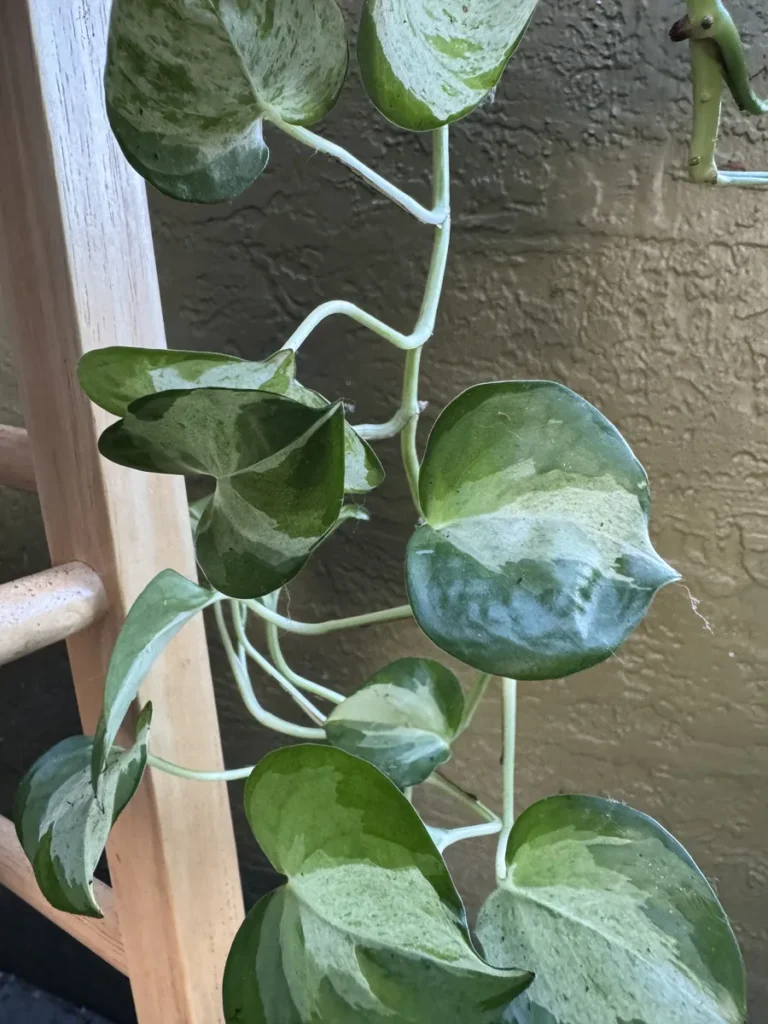
- Marble Queen: White and green variegated leaves with a lighter look.
- Jade Pothos: Solid green leaves, often darker and more uniform.
- Neon Pothos: Bright chartreuse leaves that stand out in any collection.
- Manjula Pothos: Curled leaves with cream, green, and silver tones.
Each variety has the same basic care needs, though those with more variegation may need a bit more light to keep their patterns strong.
Troubleshooting: When Something Looks Wrong
Every plant shows signs when conditions aren’t right. With pothos, the common issues are usually easy to identify:
- Yellow leaves: Often from overwatering. Let soil dry more between waterings.
- Brown leaf tips: Usually low humidity or inconsistent watering.
- Leggy growth: The plant wants more light. Move it closer to a brighter spot.
- Drooping leaves: A clear sign it needs water soon.
Addressing these early helps the plant bounce back without much trouble.
Creative Ways to Display Pothos
One of the pleasures of pothos is how many ways you can display them. You can let them cascade from a shelf, creating a soft waterfall effect. Hanging planters highlight their trailing vines. Giving them a pole or trellis allows them to climb, which is closer to their natural growth habit.
I’ve even seen people shape them along doorframes or let them trail across walls with a bit of support. Pothos adapt well to the creativity of their owners.
Why Pothos Fit Modern Life
Life indoors doesn’t always line up with what plants need. We travel, forget waterings, and live in apartments with limited light. Pothos don’t demand perfection. They adapt, and in return, they remind us that growth doesn’t need to be complicated.
Caring for one is less about rules and more about noticing. You water when the leaves droop, move it when it stretches too far, and trim when it gets unruly. That small rhythm builds connection.
Fertilizer That Makes a Difference
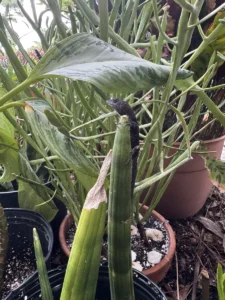
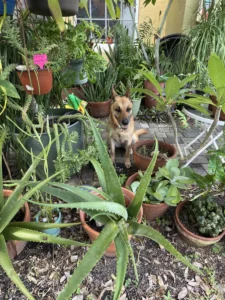
ven the hardiest plants appreciate a little boost now and then. While I don’t over-fertilize my Sansevierias or Pothos, I’ve found that using slow-release fertilizer spikes gives them just enough nutrition to stay strong, glossy, and healthy—without much effort on my part.
One option I recommend is Jobe’s Houseplant Indoor Fertilizer Spikes. They’re simple to use—just push a spike into the soil, and it slowly feeds your plant over time.
✨ Affiliate Disclaimer: This link is an affiliate link. If you purchase through it, I may earn a small commission at no extra cost to you. I only recommend products I personally use and trust for my own plants.

 Sansefuria