
When I first started gardening indoors, I mostly relied on good old terracotta pots. They’re breathable, they let moisture escape, and honestly, they’ve always been my go-to. But like many plant lovers, I got drawn to decorative ceramic pots—gorgeous, glossy, and full of personality—only to flip them over and realize… no drainage hole.
Luckily, with the power of YouTube I quickly discovered that there’s a simple DIY fix. I choose the diamond drill bit. After trying it myself, I can say it worked better than expected—and now I’m sharing exactly what I learned so you don’t have to spend hours figuring it out yourself.
Yes, You Can Use Pots Without Holes — Just Be Very Mindful
It’s okay to use pots without drainage holes if you’re willing to be a bit more attentive. I checked the soil with my fingers regularly and leaned toward underwatering rather than overwatering. I also made sure those pots stayed in spots with good airflow to help moisture evaporate naturally. For certain plants like pothos, that was enough. Still, after a while, I realized I wanted a little more peace of mind. That’s when I decided to start drilling holes in some of those decorative pots.
The Perils of No-Drainage Pots: Understanding Waterlogging and Root Rot
Here’s what happens when a pot has no drainage: water collects at the bottom and stays there. Over time, the soil becomes waterlogged—oversaturated with moisture—and your plant’s roots suffocate. When roots can’t breathe, they begin to rot, a condition known as root rot.
Root rot is tricky because the symptoms—yellowing leaves, droopy stems, stunted growth—often look like underwatering. That’s what makes it so dangerous. You might think your plant needs more water and keep pouring it on, making the problem worse.
Plants like sansevieria, snake plant, or jade prefer dry feet. Even moisture-loving plants like Chinese evergreen can struggle if the pot doesn’t allow the excess water to escape. That’s why drainage is such a critical piece of plant health.
Drilling Drainage Holes in Glazed Ceramic Pots: A Step-by-Step Guide
Heads up: Some of the links in this post are Amazon affiliate links. They won’t cost you anything extra, but if you decide to purchase through them, I may earn a small commission. It’s a simple way to support the blog while I keep sharing tips, stories, and experiments from my garden—thank you!
What You’ll Need:
- A diamond-tipped drill bit. I got the NEIKO 00823A Diamond Hole Saw, 5 Pc Diamond Drill Bit Set, but next time i will be getting Drilax 5-Pc 3/8 Inch Diamond Drill Bit Set.
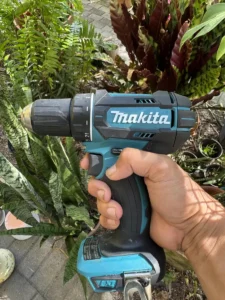
- A cordless drill. I have the Makita XT281S 18V LXT 2-Pc. Combo Kit (3.0Ah). (wow the price has gone up so much!)
- A container of water or a spray bottle
- Safety glasses
Steps:
- Mark your spot – Choose the center of the bottom for your drainage hole. Boom!
- Spray water on the pot – Reduce friction and keep it cool.
- Begin by tilting the drill slightly (around 45 degrees) to help the bit catch, then slowly level it out as it starts to bite into the ceramic. Use steady, gentle pressure and let the drill do the work. Don’t rush—it can take a full minute or more to break through.
- Let the bit do the work — Apply light, consistent pressure and avoid pressing too hard. The goal is to grind through the ceramic, not shatter it. Once the drill bit gets a good grip, slowly shift the angle from 45 degrees to 90 degrees, keeping the bit steady and centered as it drills straight down.
- Go slowly—it’s okay to learn as you go. Sometimes you’ll crack a pot, and that’s part of the process.
- Practice really does make perfect–I also recommend checking your local marketplace for used or clearance ceramic pots. Sometimes I even offer to trade plants—and you’d be surprised how many kind people say yes. I’ve met some really cool folks that way.
That’s it! You’ve just turned a decorative pot into a functional one.
Adjusting Soil Mixes for Glazed Ceramic Pots: Breathable Roots = Happy Plants
After I added drainage holes, I took a look at my soil mix. Terracotta pots breathe naturally, but glazed ceramic holds moisture in—kind of like a sealed cup. So I made one small adjustment: I added more perlite to improve airflow.
Terracotta vs. Glazed Pots: My Honest Take
While I’ll always love the rustic simplicity of terracotta, I’ve come to appreciate the versatility of glazed ceramic pots too. Terracotta is low-maintenance—perfect for sansevieria, rosemary, or spearmint that prefer drier soil. But glazed pots offer color, personality, and polish. They also retain moisture longer, which is ideal for someone who travels or forgets to water consistently.
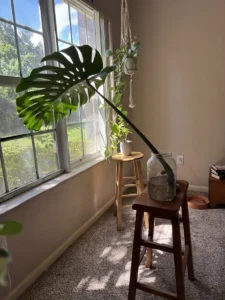
If I had to choose? For plants that demand airflow—like succulents or ferns—I stick with terracotta. But for pothos, monstera, and even Thai basil? A glazed pot with drainage works beautifully, especially if it matches your vibe.
Conclusion: Healthy Roots Start with Good Drainage
By adding a simple drainage hole and adjusting my soil just slightly, I’ve been able to use any pot I love without stressing my plants. This small change gave me the best of both worlds: form and function.
If you’ve been holding off on using that beautiful ceramic pot because it doesn’t have a hole—grab a diamond bit and give it a try. It’s easier than you think, and your plants will thrive because of it.

 Sansefuria